

Transmission & Drivetrain Parts Guide: Diagnose Issues, Plan Repairs, and Choose the Right OEM Components
Transmission and drivetrain problems can feel expensive before you even know what failed. This guide is for daily drivers, DIY repair planners, shop customers, and fleet owners who want a clearer path from symptom to service plan.
It covers automatic and manual transmission parts, clutch systems, axles, CV components, driveshafts, differentials, fluids, and filters. If you are seeing slipping, clunks, vibrations, leaks, or strange shift behavior, start here before ordering parts.
Quick Takeaways
- Many shifting issues start with fluid level, fluid condition, leaks, or filter restrictions.
- Automatic and manual systems use different wear parts, so confirm transmission type before buying.
- Vibration at speed often points to tires, CV parts, U-joints, axles, or driveshaft balance.
- Clunks, whining, and leaks can come from differential or driveline wear.
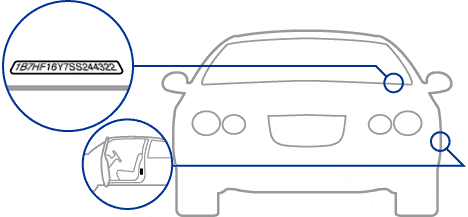
- Use VIN, drivetrain layout, trim, build date, and transmission type to confirm fitment.
Transmission vs. Drivetrain: What’s Included
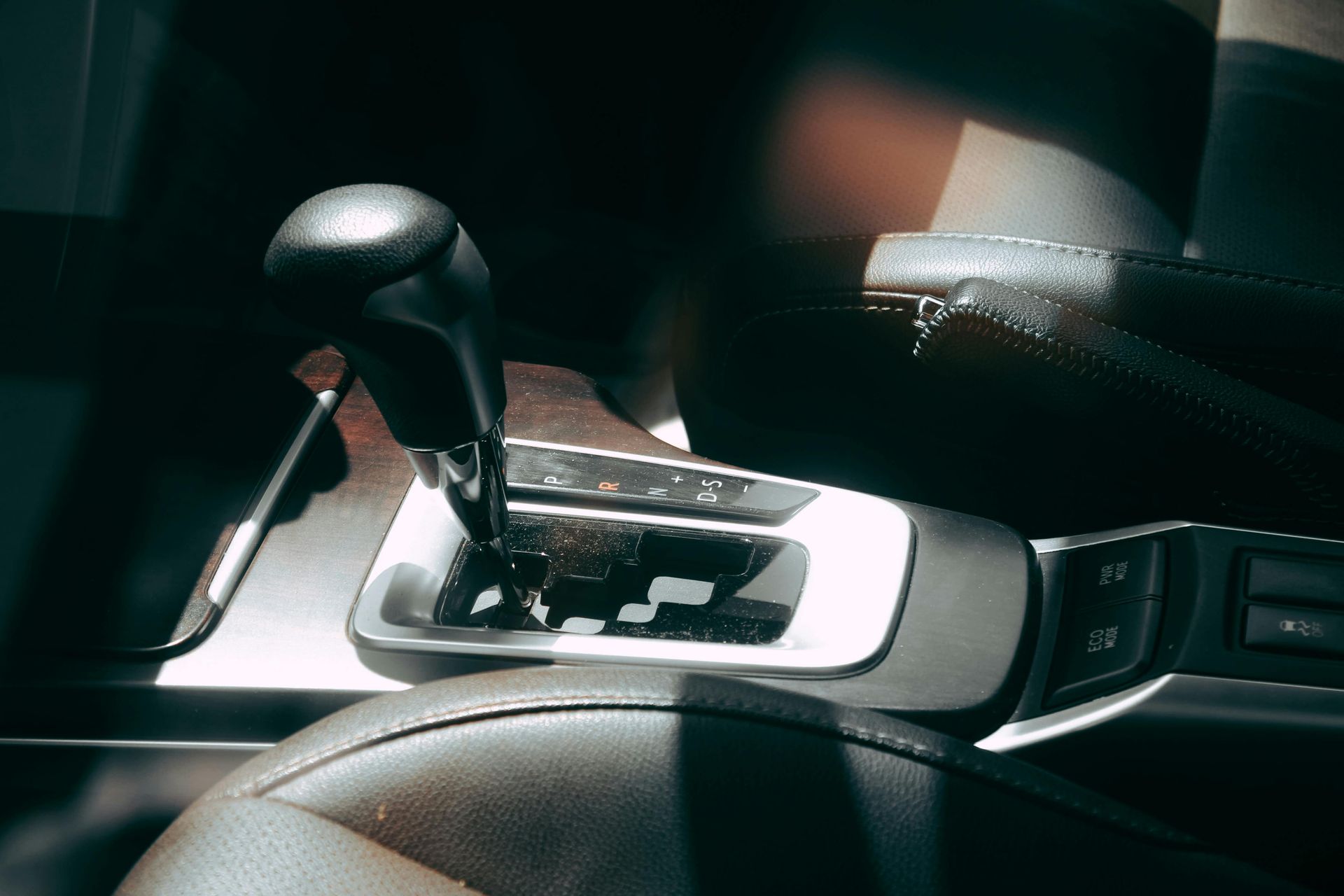
The transmission changes gear ratios so the engine can move the vehicle efficiently. In an automatic, that may include a torque converter and internal hydraulic or electronic controls. In a manual, the driver operates a clutch and gear selector.
The drivetrain is the larger system that sends power to the wheels. It can include axles, CV joints, driveshafts, universal joints, and differentials. People often use “driveline” for the rotating parts between the transmission and wheels.
A CV axle is usually found on front-wheel-drive and many all-wheel-drive vehicles. A driveshaft is more common in rear-wheel-drive and four-wheel-drive layouts. A flywheel is used with many manual clutch systems, while a flexplate is used with many automatics.
Fast Symptom Checker
Automatic Transmission Symptoms
Slipping, delayed engagement, harsh shifts, shudder, burnt-smelling fluid, or fluid leaks can point to automatic transmission concerns. Some repairs involve automatic transmission replacement parts, while major internal damage may require a larger assembly.
Manual Transmission and Clutch Symptoms
Grinding, hard shifts, clutch slip, chatter, or a changing pedal feel often involve the clutch system, linkage, or internal wear. For partial repair paths, review manual transmission components and service parts that match your vehicle.
Driveline and Differential Symptoms
Clunks on takeoff, vibration at certain speeds, clicking during turns, and whining or howling under load usually need driveline inspection. The cause may be a CV joint, U-joint, axle, driveshaft, differential bearing, or fluid issue.
Start With the Basics: Fluids, Filters, and Leaks
Many transmission complaints begin as maintenance problems. Low fluid, incorrect fluid, clogged filters, or old gear oil can create symptoms that feel like major mechanical failure.
Transmission Fluid Essentials
Dark or burnt-smelling fluid can suggest overheating, age, clutch material, or internal wear. Always use the correct specification instead of guessing with generic fluid. Browse transmission fluid for service and top-offs when planning maintenance.
Transmission Filters and Service Planning
Some vehicles use a serviceable filter and pan gasket. Others have different service designs. If the vehicle allows filter service, transmission filters for routine service can be part of a smart repair plan.
Differential and Gear Oil Basics
Differentials need proper lubrication to protect gears and bearings. Low or old oil can contribute to noise, heat, and wear. Use the correct gear and differential oil for the application.
Automatic Transmission Parts: What Commonly Fails
Torque Converters
The torque converter transfers engine power into the automatic transmission. Shudder, stall issues, overheating, or debris in the fluid can make replacement worth discussing. Compare torque converter options by exact fitment.
Internal and Related Components
Seals, sensors, valve-body-related parts, and other internal components can affect shifting and engagement. Diagnosis matters because similar symptoms can come from electrical, hydraulic, or mechanical causes.
Complete Automatic Transmissions
A full replacement can make sense when labor cost, downtime, contamination, or internal damage makes smaller repairs less practical. In those cases, check complete automatic transmission assemblies.
Manual Transmission and Clutch System Repairs
Clutch Parts
Clutch slip, chatter, poor disengagement, or noise may require related wear parts. Selecting the right clutch replacement parts helps restore clean engagement and pedal feel.
Flywheels and Flexplates
A flywheel works with a manual clutch, while a flexplate connects an automatic transmission to the engine. Heat damage, cracks, worn teeth, or surface problems can make replacement wiser than reuse. See flywheels and flexplates.
Shifting Components
Loose, vague, or notchy shifting can come from worn shifter parts, linkage wear, or interior components. Review shifter assemblies and components, and consider shift knobs and shift boots when the cabin hardware is worn.
Complete Manual Transmissions
Heavy internal wear, metal contamination, cracked cases, or repeated gear failure may make complete manual transmissions a better option than chasing individual failures.
Power to the Pavement: Axles, CVs, Driveshafts, and U-Joints
CV Parts
Clicking while turning often suggests CV joint wear, while vibration can also come from tires, wheel bearings, or axle issues. Use CV joint and CV driveline parts only after confirming the source.
Axle Parts
Axle fitment can change by drivetrain, engine, transmission, ABS configuration, and AWD or 4WD layout. Confirm details before ordering axle parts and driveline components.
Driveshafts and Universal Joints
A worn U-joint may cause clunks, vibration, or binding. Speed-related vibration can also involve driveshaft balance or mounting points. Shop universal joints and driveshaft parts by exact application.
Differential Parts: Noise, Leaks, and Fitment
Whining, howling, clunking, or gear oil leaks can come from differential wear. Common replacement items may include seals, bearings, gears, or related hardware. Ratio, housing, axle type, and drivetrain layout all matter when choosing differential parts and components.
Replace Together Planning
Good planning helps avoid paying labor twice. A clutch job may also involve the flywheel, release components, and worn shifter parts. An automatic repair may call for a torque converter, correct fluid, and filter service where appropriate. Differential repairs usually pair well with fresh gear oil. Driveshaft work may include U-joints or related hardware.
How to Buy the Right OEM-Fit Drivetrain Parts Online
Before ordering, gather your VIN, year, make, model, trim, engine, transmission type, drivetrain, and build date. Check whether the vehicle is front-wheel drive, rear-wheel drive, all-wheel drive, or four-wheel drive. New and remanufactured options can both make sense depending on the repair, budget, and downtime needs.
For uncommon brackets, hardware, or less obvious pieces, browse other drivetrain components and verify fitment carefully before purchase.
Frequently Asked Questions
Should I change transmission fluid if it has never been serviced?
It depends on condition, mileage, symptoms, and manufacturer guidance. If the fluid is very dirty or the transmission already slips, get a diagnosis before service.
Why does it shift fine cold but not hot?
Heat changes fluid behavior and can reveal pressure, solenoid, converter, or internal wear problems. A technician can test fluid condition, leaks, and shift data.
What causes vibration only at certain speeds?
Common causes include tire balance, bent wheels, CV axles, U-joints, driveshaft issues, engine mounts, or differential wear.
Do I need an alignment after drivetrain work?
Sometimes. Work involving suspension, steering, control arms, or axle removal can affect alignment, so follow the repair procedure for your vehicle.
Transmission and drivetrain repairs are easier to plan when you match symptoms to the right system, start with fluids and leaks, and verify fitment before ordering. The right OEM-fit components can help restore smooth shifting, quiet operation, and dependable power delivery.